VEDA SPA Home / Veda Spa Interior Design An interior…

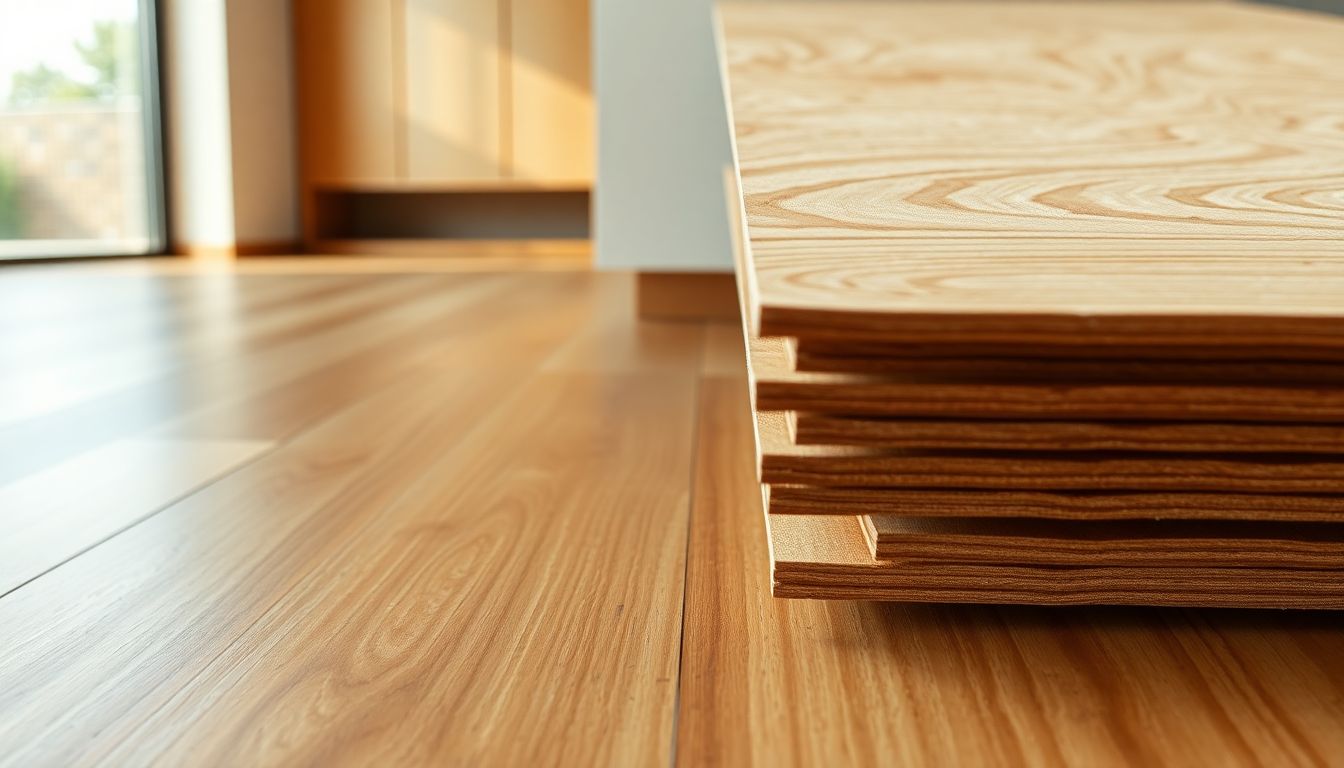
Choosing the right building material can feel overwhelming. Whether you’re renovating, building new, or just fixing up, the material you pick impacts durability, cost, and even the environment. Engineered wood products and plywood are now popular choices for many homeowners and contractors. Both options offer unique benefits and challenges. This guide will help you understand the differences, strengths, and best uses of each to make a smart choice for your home.
Understanding Engineered Wood and Plywood
What Is Engineered Wood?
Engineered wood is made by bonding wood fibers, particles, or strands together with adhesives under pressure. It includes types like cross-laminated timber, particleboard, and oriented strand board (OSB). These products are designed to be more stable and often stronger than solid wood. They’re frequently used for flooring, furniture, and framing walls in homes.
What Is Plywood?
Plywood involves thin layers of wood veneer glued together with grains running at right angles. This cross-grain setup gives plywood strength and stability. It comes in different types like interior, exterior, and marine plywood — each suited for specific environments. Plywood is popular for sheathing, cabinetry, and decorative panels.
Key Differences at a Glance
| Feature | Engineered Wood | Plywood |
|---|---|---|
| Composition | Made of fibers, strands, or particles bonded with glue | Several thin veneer layers glued crosswise |
| Strength | Strong, especially in large spans | Very durable, good for structural use |
| Manufacturing | Controlled process, can be highly uniform | Layers pressed and glued, varies by quality |
| Common Use | Flooring, furniture, framing | Sheathing, cabinets, decorative panels |
Structural Strength and Durability
Comparing Load-Bearing Capacity
Both materials can support substantial weight, but their performance depends on type and thickness. Engineered wood like LVL (laminated veneer lumber) excels in beams and load-bearing walls. Plywood, especially exterior or marine grade, handles heavy loads well and resists warping.
Resistance to Environmental Factors
Moisture is a big enemy. Some engineered woods are made with water-resistant adhesives, making them suitable for humid areas. Plywood with proper treatment resists rot and pests better, especially marine or exterior types. Remember, exposure to temperature swings can cause expansion or contraction in both materials, so proper sealing is important.
Longevity and Maintenance
Engineered wood can last decades when kept dry and maintained. Plywood, especially exterior and marine grades, also endures a long time with care. Regular cleaning, sealing, and avoiding excessive moisture extend their life. For both, staying vigilant about damage helps avoid costly repairs.
Cost Analysis and Budget Considerations
Price Comparison
On average, plywood costs less per square foot than high-quality engineered wood. Simple particleboard or OSB is cheap, but premium engineered options like laminated beams cost more. Your project size and quality requirements influence overall costs.
Cost-Effectiveness Over Time
While engineered wood might be pricier initially, its strength can save money long-term by reducing repair needs. Plywood’s durability, especially for exterior uses, means fewer replacements. Think about the lifespan and maintenance for a smarter budget.
Tips for Budget-Friendly Choices
Choose reinforced plywood for outdoor or heavy use without breaking the bank. For indoor projects like furniture, cheaper engineered options still work well. Always compare quality and look for certifications to get the best value.
Environmental Impact and Sustainability
Sustainability of Engineered Wood
Many engineered woods contain recycled wood fibers and strands. Certifications like FSC (Forest Stewardship Council) or PEFC (Programme for the Endorsement of Forest Certification) ensure responsible sourcing. These products help reduce waste and conserve forests.
Eco-Friendliness of Plywood
Low-emission veneer grades and sustainably harvested wood make some plywood eco-friendly. However, formaldehyde emissions from adhesives are a concern. Choosing products with safe, water-based glues is better for the environment and your health.
Making Environmentally Informed Decisions
Look for products with clear certifications and eco-labels. Consider using recycled or sustainably sourced options whenever possible. Proper disposal and recycling of old materials reduce waste and environmental impact.
Best Use Cases for Each Material
When to Use Engineered Wood
Engineered wood is great for large open spans, such as floors, roofs, and beams. It’s ideal for projects needing high strength with less weight. Use it for framing, furniture, or flooring that requires stability over time.
Ideal Applications for Plywood
Plywood shines in sheathing walls, roofing, and large cabinets. It’s also perfect for decorative wall panels and outdoor furniture when appropriately treated. Marine and exterior plywood work best for exterior or moisture-prone locations.
Expert Recommendations and Industry Standards
Construction pros recommend engineered wood for structural applications due to its predictable strength and consistency. Plywood, especially graded types, meets building code standards for many load-bearing and exterior uses. Always verify local codes before proceeding.
Practical Tips for Homeowners
- Think about your project’s environment: Will it face moisture? Will it bear weight?
- Ask suppliers about product quality, certifications, and warranties.
- For lasting results, store materials properly and use sealants suited to the environment.
- When installing, follow manufacturer guidelines to extend lifespan and ensure safety.
Conclusion
Choosing between engineered wood and plywood depends on your project’s needs. Both materials have their strengths and best use cases. Engineered wood offers superior stability and strength for large spans and load-bearing tasks. Plywood is versatile, cost-effective, and ideal for sheathing and decorative work.
Your best choice hinges on the environment, budget, and long-term goals. Prioritize durability and environmental impact to make an informed decision. Whether rebuilding a deck, adding cabinets, or framing walls, select the material that fits your specific project to achieve the best results.